1. နိဒါန်း
Thank you for choosing the VEVOR CT-612 Manual Pipe Bender. This tool is designed for precise bending of copper, aluminum, and thin-walled steel or stainless steel pipes. It features a 3-in-1 design, accommodating pipe diameters of 1/4 inch (6.35 mm), 3/8 inch (9.5 mm), and 1/2 inch (12.7 mm), and allows for bends from 0 to 180 degrees. This manual provides essential information for safe operation, setup, maintenance, and troubleshooting to ensure optimal performance and longevity of your pipe bender.
2. ဘေးကင်းရေး ညွှန်ကြားချက်များ
Always observe the following safety precautions when using the VEVOR CT-612 Manual Pipe Bender:
- Manual ကိုဖတ်ပါ- လုပ်ဆောင်မှုမပြုလုပ်မီ ညွှန်ကြားချက်များနှင့် သတိပေးချက်များအားလုံးကို သိရှိထားပါ။
- အကာအကွယ်ပစ္စည်း ဝတ်ဆင်ပါ Always wear safety glasses to protect against flying debris. Gloves are recommended for better grip and hand protection.
- ကိရိယာကို စစ်ဆေးပါ- Before each use, check the pipe bender for any signs of damage, wear, or loose parts. Do not use a damaged tool.
- လုံခြုံသော အလုပ်ခွင်- Ensure the pipe is properly seated and secured in the bending groove to prevent slippage and injury.
- Maintain a Stable Stance: Use the tool on a stable surface and maintain good balance to prevent accidents.
- အလွန်အကျွံကွေးခြင်းကို ရှောင်ကြဉ်ပါ Do not attempt to bend pipes beyond their material limits or the tool's 180-degree capacity, as this can damage the pipe or the tool.
- Pipe Wall Thickness: This tool is suitable for pipes with a wall thickness of 0.5 mm to 1.2 mm. Bending pipes thinner than 0.5 mm may cause damage or kinking.
- ရှင်းလင်းထားပါ- Keep hands and fingers away from pinch points during operation.
- လုံခြုံစွာသိမ်းဆည်းပါ- ကလေးများနှင့် ခွင့်ပြုချက်မရှိဘဲ အသုံးပြုသူများ လက်လှမ်းမမီသော ခြောက်သွေ့ပြီး လုံခြုံသောနေရာတွင် သိမ်းဆည်းပါ။
3. ကုန်ပစ္စည်းကျော်view နှင့် အစိတ်အပိုင်းများ
The VEVOR CT-612 Manual Pipe Bender is a robust tool designed for efficient and precise pipe bending. Key components include:
- Bending Formers: Integrated formers for 1/4", 3/8", and 1/2" pipe diameters.
- လက်ကိုင်များ- Ergonomic, anti-slip rubberized handles for comfortable grip and leverage.
- Angle Scales: Clear, engraved angle markings (0-180°) for precise bending.
- ရွေ့လျားနိုင်သော ချိတ်: Secures the pipe during bending for stability.
- Alignment Marks: Indicators for proper pipe positioning.
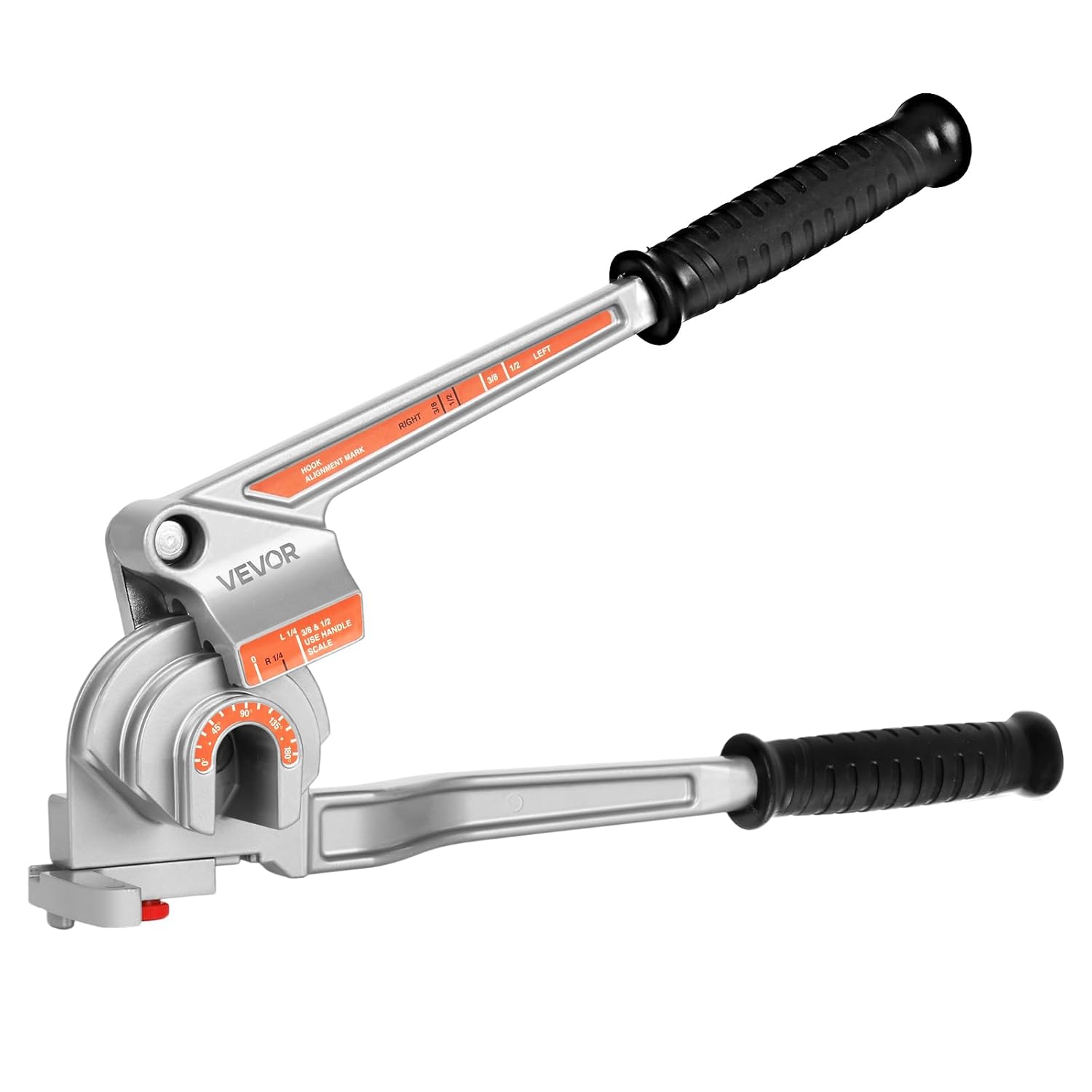
ပုံ ၄.၁: ကျော်view of the VEVOR CT-612 Manual Pipe Bender. This image shows the complete tool with its handles, bending head, and various components.

Figure 2: Close-up of the 3-in-1 bending design, illustrating the different pipe sizes (1/4", 3/8", 1/2") accommodated by the tool.
4. သတ်မှတ်ချက်များ
| ထူးခြားချက် | အသေးစိတ် |
|---|---|
| မော်ဒယ်နံပါတ် | မှန် CT-612 |
| Bending Angle | 0° - 180° |
| Applicable Pipe O.D. | 1/4" (6.35 mm), 3/8" (9.5 mm), 1/2" (12.7 mm) |
| Applicable Pipe Materials | Copper, Aluminum, Thin Iron, Thin Stainless Steel |
| ပိုက်နံရံအထူ | 0.5 မီလီမီတာ - 1.2 မီလီမီတာ |
| အဓိကပစ္စည်း | 45# Steel + Aluminum Alloy + ABS + TPU |
| အသားတင်အလေးချိန် | 1.1 ကီလိုဂရမ် (2.42 ပေါင်) |
| အတိုင်းအတာများ | ၃၆ x ၁၃.၃ x ၄ စင်တီမီတာ |

Figure 3: Visual representation of the pipe bender's specifications, including bending angle, applicable pipe sizes, and materials.
5. စနစ်ထည့်သွင်းပါ။
Before beginning any bending operation, ensure your workspace is clean, well-lit, and free from obstructions. No assembly is required for the VEVOR CT-612 Manual Pipe Bender.
- Select the Correct Former: Identify the appropriate bending groove on the tool that matches the outer diameter of your pipe (1/4", 3/8", or 1/2").
- ပိုက်ပြင်ဆင်ပါ Ensure the pipe is clean, free of burrs, and cut to the desired length. Mark the bending point on the pipe if necessary.
- Adjust the Movable Hook: Position the movable hook to align with the chosen bending groove.
6. လုပ်ငန်းဆောင်ရွက်မှုညွှန်ကြားချက်များ
Follow these steps for safe and effective pipe bending:
- Insert the Pipe: Carefully insert the pipe into the selected bending groove and under the movable hook. Ensure the pipe is snug and properly aligned with the alignment marks on the tool.
- Position for Bending: Adjust the pipe so that the desired bending point aligns with the center of the bending former.
- အင်အားသုံးရန်- Hold both handles firmly. Apply steady, even pressure to the handles, slowly bringing them together. The pipe will begin to bend around the former.
- Monitor the Angle: Observe the angle scales on the tool to achieve the desired bend angle (from 0° to 180°). Bend slowly to prevent kinking or deformation.
- Release the Pipe: Once the desired angle is reached, release the pressure on the handles and carefully remove the bent pipe from the tool.
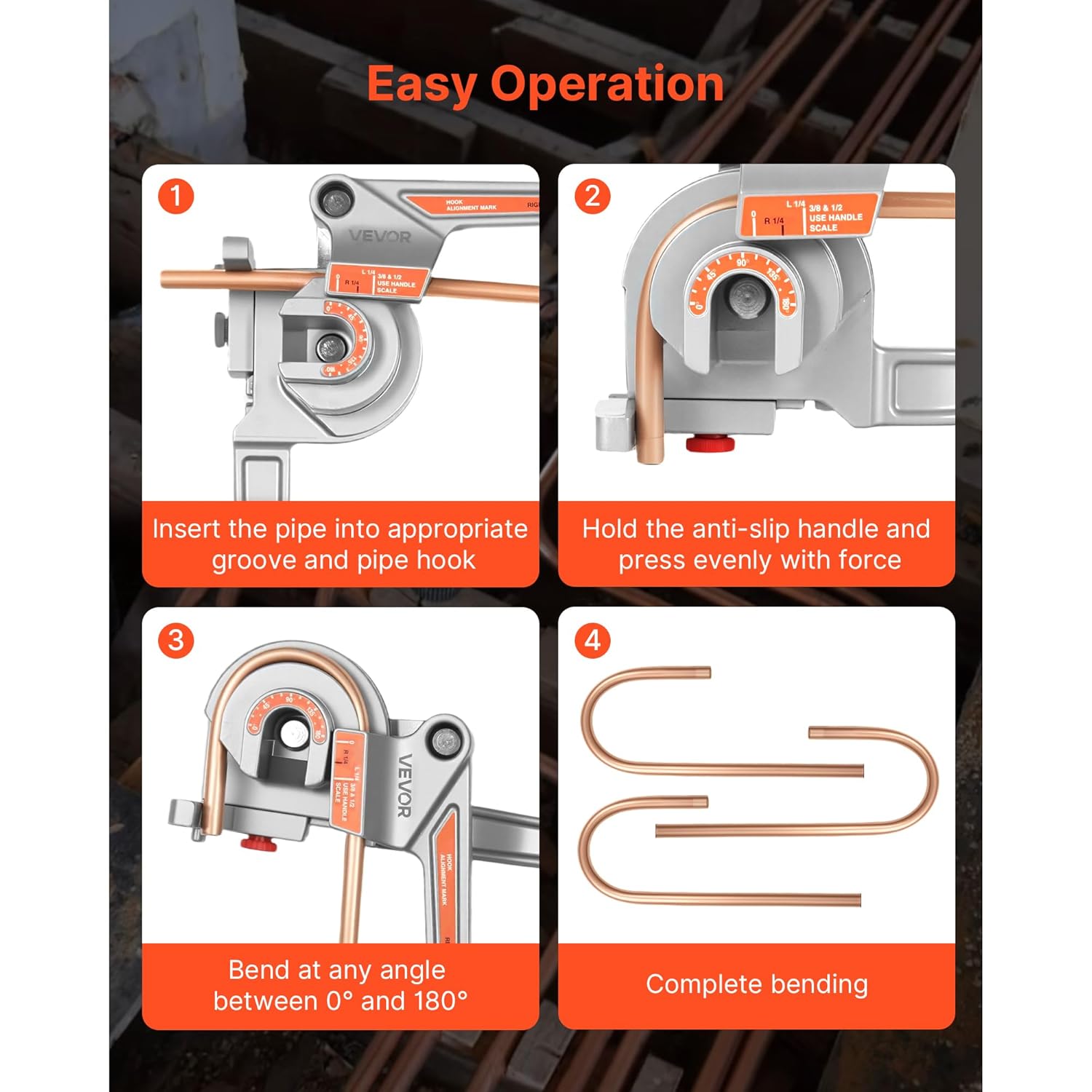
Figure 4: Step-by-step guide illustrating the process of inserting the pipe, applying force, monitoring the bend, and completing the operation.

Figure 5: Demonstration of the tool's ability to create bends from 0 to 180 degrees, showing examples of 90-degree and 180-degree bends.

Figure 6: An image showing the VEVOR CT-612 Manual Pipe Bender actively being used to bend a copper pipe.
7. ပြုပြင်ထိန်းသိမ်းမှု
Proper maintenance ensures the longevity and reliable performance of your pipe bender:
- သန့်ရှင်းရေး- After each use, wipe down the tool with a clean, dry cloth to remove any dust, dirt, or metal shavings.
- ချောဆီ- Periodically apply a light coat of machine oil to the pivot points and moving parts to ensure smooth operation and prevent rust.
- စစ်ဆေးခြင်း- Regularly inspect the bending formers, handles, and movable hook for wear, damage, or deformation. Replace any worn or damaged parts immediately.
- သိုလှောင်မှု- Store the pipe bender in a dry environment to prevent corrosion. Keep it away from direct sunlight and extreme temperatures.
၃
ဤသည်မှာ သာမန်ပြဿနာများနှင့် ၎င်းတို့၏ ဖြစ်နိုင်ချေရှိသော ဖြေရှင်းနည်းအချို့ဖြစ်သည်။
| ပြဿနာ | ဖြစ်နိုင်သော အကြောင်းတရား | ဖြေရှင်းချက် |
|---|---|---|
| Pipe kinks or flattens during bending. | Incorrect pipe size selected, pipe wall too thin, bending too fast, or pipe material is too soft/hard. | Ensure the correct former size is used. Verify pipe wall thickness is between 0.5-1.2 mm. Bend slowly and steadily. Consider using a pipe filler for very soft materials if kinking persists. |
| Bend angle is inaccurate. | Pipe not properly aligned, angle scale misread, or inconsistent pressure applied. | Ensure pipe is aligned with marks. Read the angle scale carefully. Apply consistent, even pressure throughout the bend. |
| Difficulty in bending. | Pipe material is too thick or too hard for manual bending, or tool requires lubrication. | Check pipe specifications against tool capacity. Apply lubricant to pivot points. For very hard materials, a different bending method may be required. |
| Tool feels stiff or squeaks. | Lack of lubrication, dirt buildup. | Clean the tool thoroughly and apply a light machine oil to all moving parts. |
9. အာမခံနှင့် ပံ့ပိုးမှု
VEVOR products are designed for durability and performance. For specific warranty information, please refer to the warranty card included with your purchase or visit the official VEVOR website. If you encounter any issues or require technical assistance, please contact VEVOR customer support through their official channels. Provide your model number (CT-612) and purchase details for faster service.
ဆက်သွယ်ရန်အချက်အလက်များ: VEVOR အရာရှိထံ ဆက်သွယ်ပါ။ website or your purchase documentation for the most up-to-date customer support contact details.